
Staying Safe in London (2025): A Guide for American Travelers
Visiting London
Visiting London is a dream for many American travelers. It’s a city of timeless landmarks, vibrant neighborhoods, and rich history around every corner. While London is generally considered a safe city, being prepared, alert, and informed will make your trip even more enjoyable and secure.
This comprehensive safety guide for 2025 provides up-to-date advice on scams, security tips, government resources, and guidance on navigating London safely as a visitor from the U.S.
1. Enroll in STEP Before You Travel
Before you even board your flight, enroll in the U.S. Department of State’s Smart Traveler Enrollment Program (STEP) at (https://mytravel.state.gov/s/step). This free service allows U.S. citizens and nationals to register their overseas trip with the nearest U.S. embassy or consulate.
By enrolling in STEP, you will receive real-time alerts about safety concerns, travel advisories, and emergency updates. It also makes it easier for the U.S. government to contact you in case of a crisis or natural disaster.
STEP is beneficial for travelers visiting major cities, such as London, where global events, protests, or transportation disruptions can occur.

2. Stay Informed About Current Events
London is often the stage for demonstrations and public events, and while most are peaceful, large gatherings can pose risks. Ongoing global tensions—such as those related to conflicts in the Middle East or other high-profile international incidents—can occasionally lead to heightened security or protests, even threats of terrorist attacks. Authorities are often aware in the weeks leading up to possible threats and give travelers notice as to areas they may want to avoid.
Monitor the U.S. Embassy London website, follow British news outlets like BBC News, and consider downloading the “CitizenAID” or “Alert London” apps to stay informed.
If you encounter a demonstration or protest while sightseeing, avoid engaging with it, steer clear of large crowds, and take alternate routes if necessary. If you feel unsafe, always seek out local authorities. Always head in the opposite direction of any uprising.
3. Know the Local Emergency Numbers
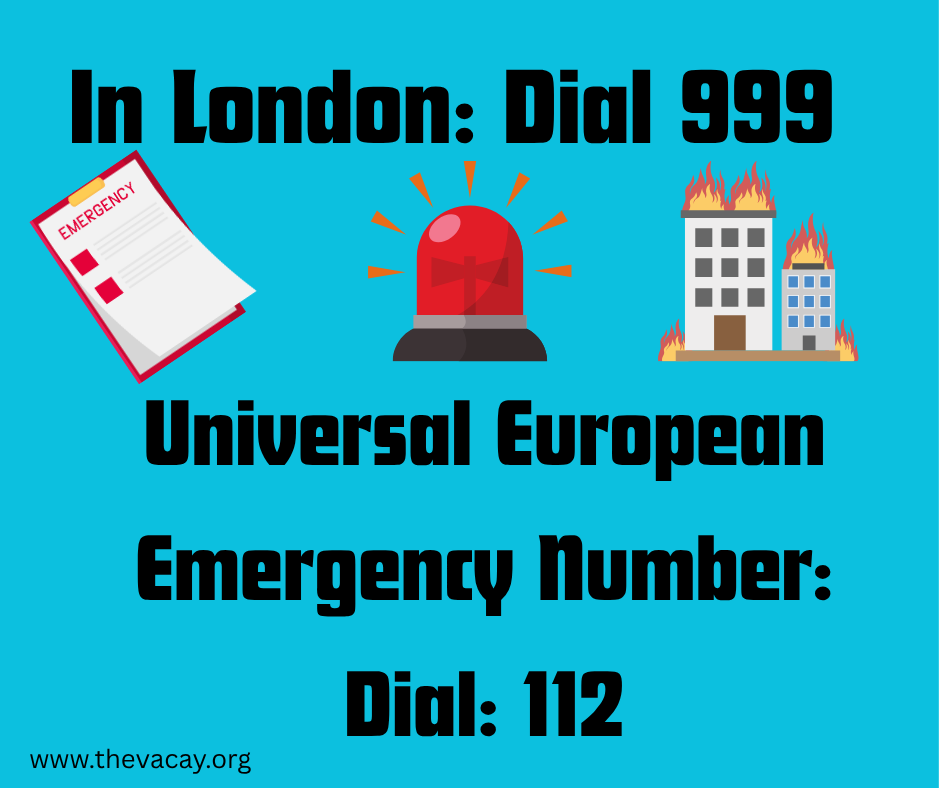
In the UK, emergency services can be reached by dialing 999 (police, fire, ambulance) or 112, which is the universal European emergency number—the 112 number works in most European cities. Use either number to contact the local authorities in the event of an emergency.
Save the number for the U.S. Embassy in London: +44 (0)20 7499 9000. They can assist with lost passports, emergency services, or legal help.
Please carry a printed copy of your passport information page and leave the original in your hotel safe unless you need it for identification or currency exchange.
4. Understand the Terrorism Threat Level
The UK’s terrorism threat level in 2025 remains at “substantial”, meaning a terrorist attack is considered possible. London is a global city and a symbolic location, which means heightened security in some areas. Check in with local media, if possible, to see if there is a current threat or if you notice an increase in security forces in the area.
Stay alert in busy public spaces, such as train stations, other forms of public transportation, tourist attractions, markets, and significant public events. If you see something suspicious, report it to local authorities or security personnel. Always use common sense in crowds, and always leave an event if it begins to turn violent.
Being aware of your surroundings and staying calm in crowded places is key. Most visits are uneventful, but caution is always wise.
5. Use Licensed Transportation Only
When getting around London, always use licensed transportation. Black cabs, Uber, Bolt, and Addison Lee are all trusted options. Most of central London can be reached by using public transportation.
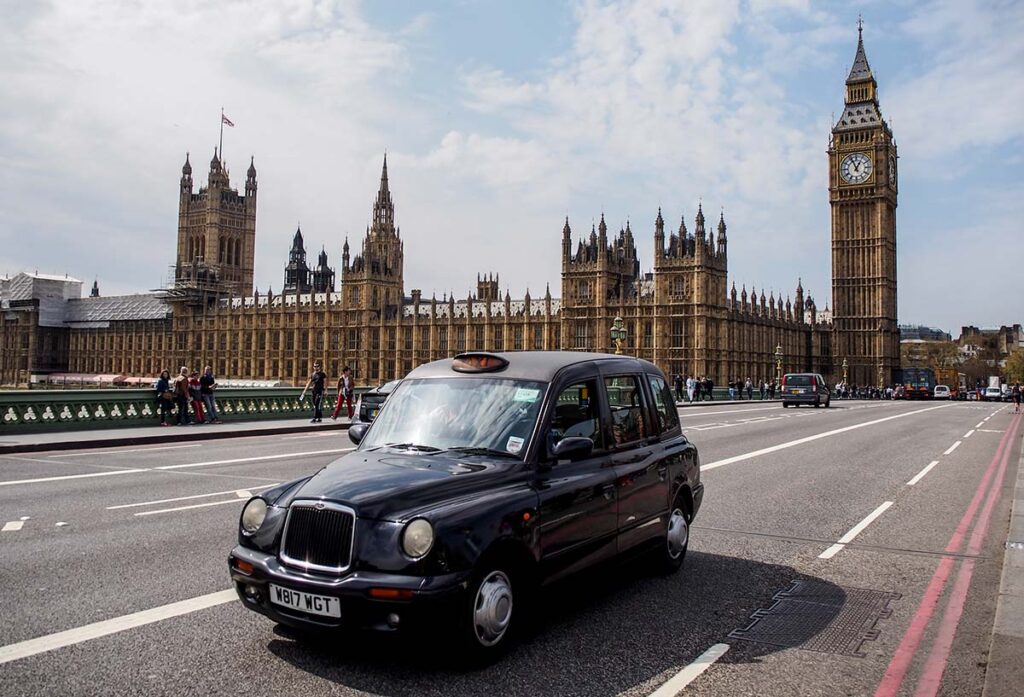
Avoid unlicensed minicabs or individuals approaching you outside stations to offer rides. Not only are these unlicensed taxis unregulated, but they also pose serious safety risks.
If you’re unsure whether a vehicle is licensed, look for the official Transport for London (TfL) license sticker displayed on the window.
6. Cross Streets with Caution
Pedestrian traffic in London can be confusing for Americans. Vehicles drive on the left side of the road, and it’s easy to look the wrong way when crossing.
Use designated crosswalks (often referred to as “zebra crossings”), obey pedestrian signals, and look both ways. Many streets are marked with “LOOK LEFT” or “LOOK RIGHT” painted on the road.

Even in quieter neighborhoods, cars, bicycles, and buses can appear quickly. Stay alert, especially when traveling with children or elders.
7. Protect Yourself Against Pickpockets
Pickpocketing is the most common petty crime affecting tourists in London. Areas such as Oxford Street, Camden Market, and the London Underground are hotspots.
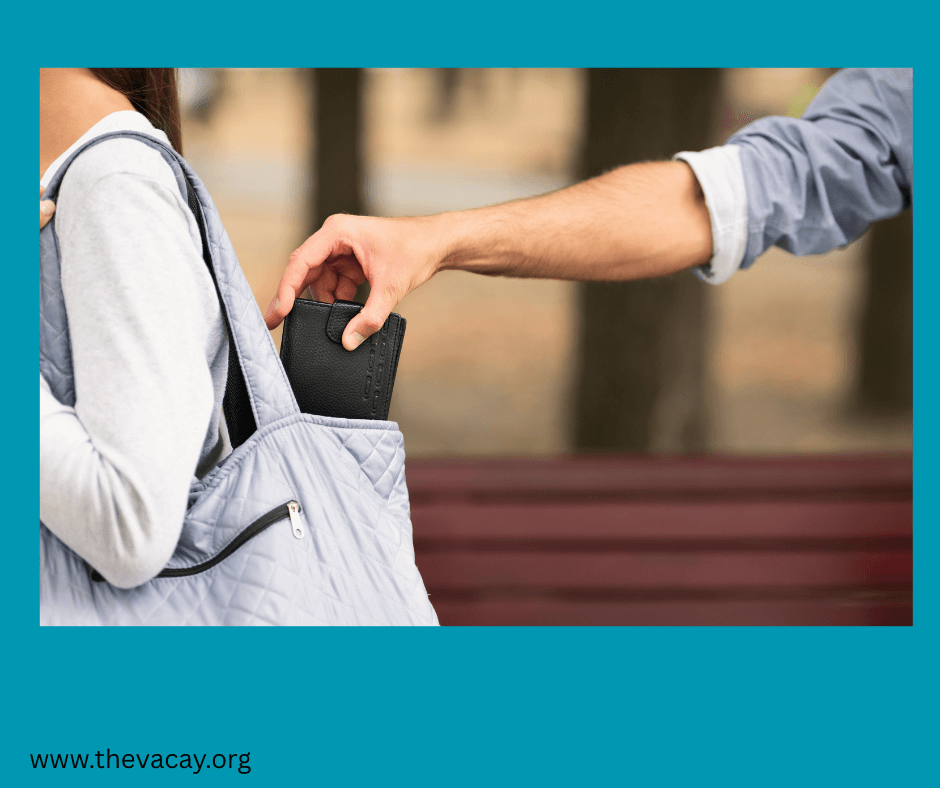
Use cross-body bags with secure closures, keep wallets in front pockets, and avoid displaying phones, passports, or expensive jewelry.
If someone bumps into you or creates a distraction (e.g., spilling a drink, asking directions), be aware—it might be a coordinated attempt to access your belongings.
8. Be Aware of Common Tourist Scams
Scams targeting tourists have become more sophisticated. Here are a few to watch out for:
Fake charity collectors are demanding cash donations.
“Free” bracelets or roses are offered, and then followed by pressure for money.
Overpriced taxi rides with no visible meter.
Tour guides who claim that attractions are closed and redirect you to their services. You can avoid this by checking with the attraction at the box office or pre-booking activities through a service such as Viator.
Never purchase illegal drugs from anyone offering them on the street.
Trust your instincts. If something feels off, walk away. Always protect your physical safety by maintaining at least arm’s length distance from someone you don’t know.
9. Use ATMs Smartly and Safely
Always use ATMs located inside banks or well-lit retail stores. Cover your PIN, avoid using standalone machines late at night, and never accept help from strangers while using an ATM.
Credit and debit card skimming is still a risk. Inspect the machine for loose parts, and consider carrying a backup card stored separately from your wallet.
Contactless payment is widely accepted and more secure—Apple Pay, Google Pay, and tap cards are used everywhere from cafés to buses.
10. Choose a Reliable, Secure Backpack
A good travel bag can make all the difference. Choose a backpack with anti-theft features such as:
Lockable zippers
RFID-blocking compartments
Slash-proof straps
Hidden pockets
These features are especially useful in crowded areas and on public transit. Keep your backpack on your front in tight spaces, such as tube trains, buses, or overcrowded bars.
We’ll be linking to several backpack options we love here at The Vacay to help you pack with peace of mind.
The Travelon Anti-Theft Signature Slim Backpack is a safe and super cute option.
11. Use a VPN and Avoid Public Wi-Fi for Banking
Hackers can exploit open networks at cafés, hotels, or airports. If you need to access personal data or bank accounts, use a VPN (Virtual Private Network) for added protection.
Alternatively, use your mobile network’s hotspot feature instead of connecting to public Wi-Fi.
Never enter sensitive information (passwords, credit cards) while using unsecured networks.
12. Avoid Flashing Wealth or Valuables
Wearing high-end watches, flashy jewelry, or designer bags can attract unwanted attention. Leave your most valuable accessories at home or keep them stored securely. Petty theft is common in tourist areas. When traveling, I often use a more affordable version of my jewelry. If you must wear diamond wedding rings, it is best to choose a small, unassuming version of your rings.
Two of our favorite options can be found here.
Newshe Jewellery Bridal Sets, Wedding Ring, Solitaire Engagement Rings for Women: She is lovely, but not heart- or bank-breaking if it is lost.

Theft in London has been on the rise in recent years, particularly in nightlife districts and around hotel entrances. If you do wear a watch, be discreet and avoid taking it on and off in public.
13. Store Important Documents Safely
Use your hotel safe to store your passport, extra cash, and backup credit cards. Carry only what you need each day.
It’s also wise to store digital copies of your passport, travel insurance, and emergency contacts in an encrypted app or secure cloud storage.
Having backups makes recovery much easier in the event of loss or theft.
If these essential documents are lost, report the loss to the local authorities and contact your local embassy as soon as possible.
14. Stay Aware at Night And Avoid Hotspots
London has a lively nightlife, but it’s best to stay in well-lit, populated areas when out late. Travel in pairs or groups whenever possible.
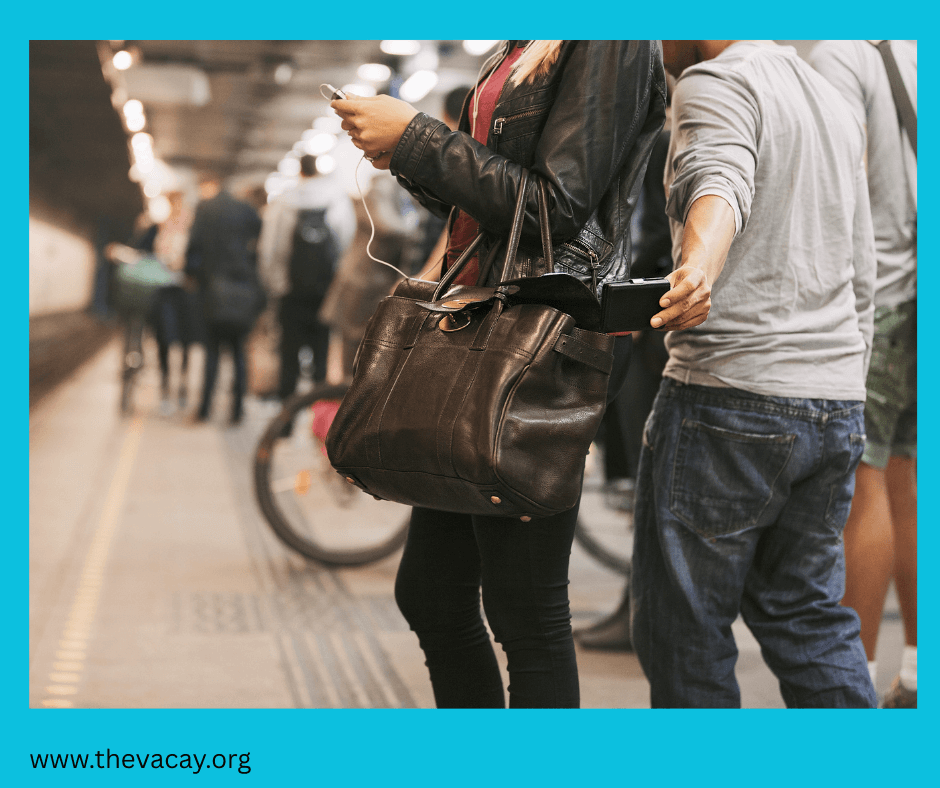
Avoid dim alleys or shortcuts, and plan your route to your hotel to ensure a safe return. Many buses and trains in London run late, but if it’s very late, consider booking a taxi or rideshare in advance.
Several areas in London are known for higher rates of violent crime, including parts of Westminster, Camden, Hackney, Southwark, and Lambeth. Specific hotspots within these boroughs, like Leicester Square and Covent Garden, have been identified as particularly prone to violent and sexual offenses. Avoid these areas at night, or travel in groups for added safety. If you are unfamiliar with the city, it is best to stay in tourist areas and busy public places.
Always keep your phone charged and have a portable battery pack on hand.
15. Know the Weather and Dress Appropriately
London weather can change quickly. Rain showers are common, even in summer, so pack a lightweight waterproof jacket and an umbrella.
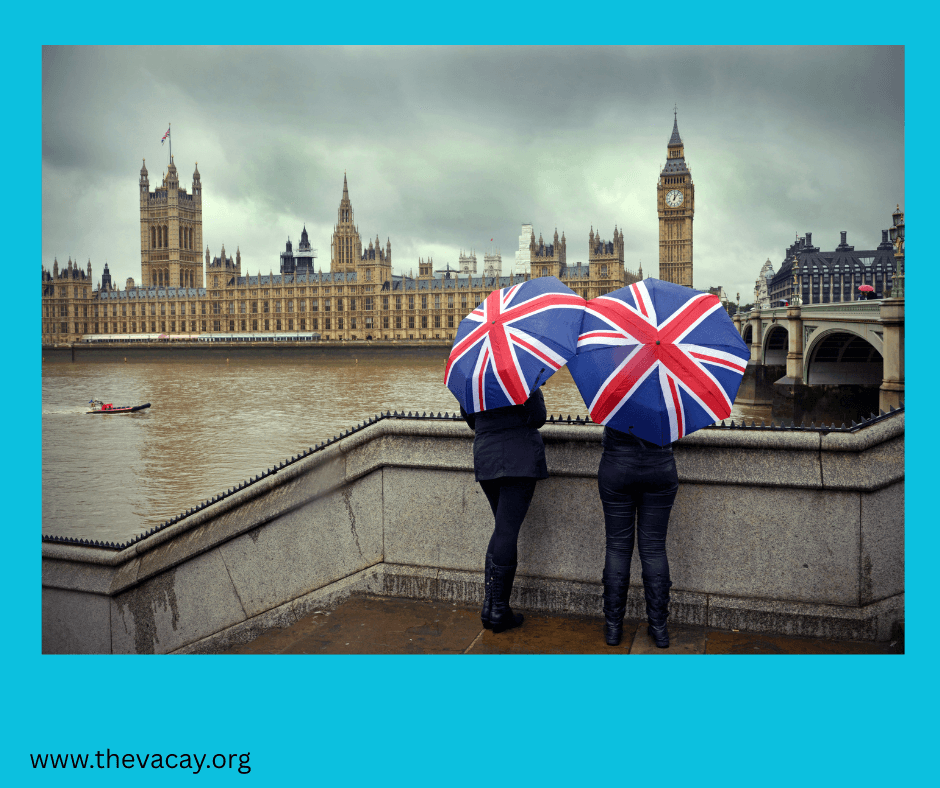
Dressing in layers is key, and wearing comfortable, closed-toe shoes is essential for navigating cobblestone streets or wet sidewalks. Always pay attention to weather alerts when you are traveling to avoid extreme weather conditions. You can set your weather apps to receive alerts.
A practical wardrobe not only helps you blend in with locals but also keeps you safe and comfortable.
16. Use Caution When Eating or Drinking Alone

London is generally welcoming to solo travelers, and dining alone is a common and culturally accepted practice. However, it’s still wise to exercise caution, especially in unfamiliar areas or late at night. Choose well-lit, reputable establishments—ideally those with good reviews and visible security measures in place. Avoid leaving drinks unattended or food unattended, and never accept open beverages from strangers. When seated near exits or on patios, keep your personal belongings secure and within sight.
If you feel uncomfortable at any time, please don’t hesitate to move to a different location or ask a staff member for help. Staying alert and trusting your instincts are key to enjoying a solo meal or drink safely in any significant city.
Final Thoughts: Confidence Through Preparedness
With the right tools and awareness, your trip to London will be both safe and enjoyable, making it an unforgettable experience. Enroll in STEP, stay alert in busy areas, protect your belongings, and confidently immerse yourself in the culture.
London is a city that rewards curiosity, but it also rewards caution. A little preparation goes a long way.
We at The Vacay hope you have the trip of a lifetime, and always consider safety when traveling in London as a tourist. Check back soon for our recommendations on the best safety gear, backpacks, and travel essentials for city adventures like this one.
Happy and safe travels!
Note: At The Vacay, we strive to provide our readers with transparent and honest information. In the spirit of full disclosure, we need to let you know that we may use affiliate links in our website and blog posts. See our disclosure here.
Should You Use a Travel Agent for Your Next Cruise? See 11 reasons why you should!
Do you want to know the best cruise lines for a child-free vacation? Find out here!
Do you want our agency to help plan your next trip? Contact us!